By Jessica
Last we talked pantry, we discussed the vinegars I recommend having, the obvious complement to that is, of course, oils. Now you might be wondering why anyone would need/want a post on oils given that oil seems like a pretty straightforward thing, but it's always nice to have a reference for which oil does what, has the highest or lowest smoke point and what all that extra virgin/virgin/extra extra virgin nomenclature slapped on labels really means to your cooking.
Olive Oil: Created from olives, this oil is graded based on how it's pressed, the amount of acidity in the oil and is usually additionally noted as to whether it's good for sauteing and baking (smoking point). Extra Virgin is the highest ranking meaning it has the lowest acidity (good for cooking) with Pure Olive Oil having the most acidity by volume (not that great for cooking). This oil is highly prized for healthy heart benefits and widely touted for skin benefits as well. I definitely recommend any olive oil soap, but this one is my favorite.
Grapeseed Oil: Pressed from grapeseeds contained in the pomace (leftovers in the solid after making grape juice) this oil is very high in vitamin E, low in sulfites and has a fairly high smoke point (which means it's good for sauteing or baking). Like olive oil, this is another heart healthy oil and also contains linoleic acid (omega-6) This is my preferred sauteing oil and I use it in such large quantities that I get it at Costco.
Peanut Oil: Very common in the south, peanut oil is made from peanuts and is used for frying. It is the peak when it comes to smoke points which makes it desirable for use with items like french fries, chicken or a popular item this time of year, cajun deep-fried turkey. People with peanut allergies can still have a reaction to this oil depending on how refined it has been or how severe their allergy is so other oils, refined safflower oil, canola oil or ghee can be substituted.
Toasted Seasame Oil: Used in Asian cooking this oil is cold-pressed and has a strong nutty flavor. It can be used in cooking, marinades or for finishing/salad dressings. Most often it is recommended to be used sparingly because it can take over a dish. This oil is also used in alternative medicine and widely touted for various healing properties.
Finishing Oils: Finishing oils can be anything from walnut oil to truffle oil, essentially any light flavored oil that you wouldn't want to cook with or would be damaged from the heat of cooking. There are even high quality olive oils with varied flavor profiles that can be used for finishing oils (I have a pomegranate olive oil I love to use for salads) which give your pastas, crostini or salads a little extra kick. They are also fabulous for bread dipping.
Now I know you are probably wondering where my standard "vegetable" or canola oil are on this list but I honestly don't use them unless a recipe specifically calls for it and even then I might just substitute with what I have and what I like to use instead, your mileage may vary of course.
Also a word of note, all oils should be kept away from heat and ideally in a dark cool place to keep them from turning rancid. Seasame oil is especially prone to this I find, so I keep it in my refrigerator.
Do you have a favorite oil? What's in your pantry?
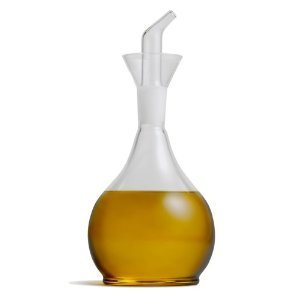
{Photo Credit: Olive Island}